

Suspension Repair in Alexandria, VA
Why Your Vehicle’s Ride May Feel Different
Common Signs Your Suspension Needs Repair
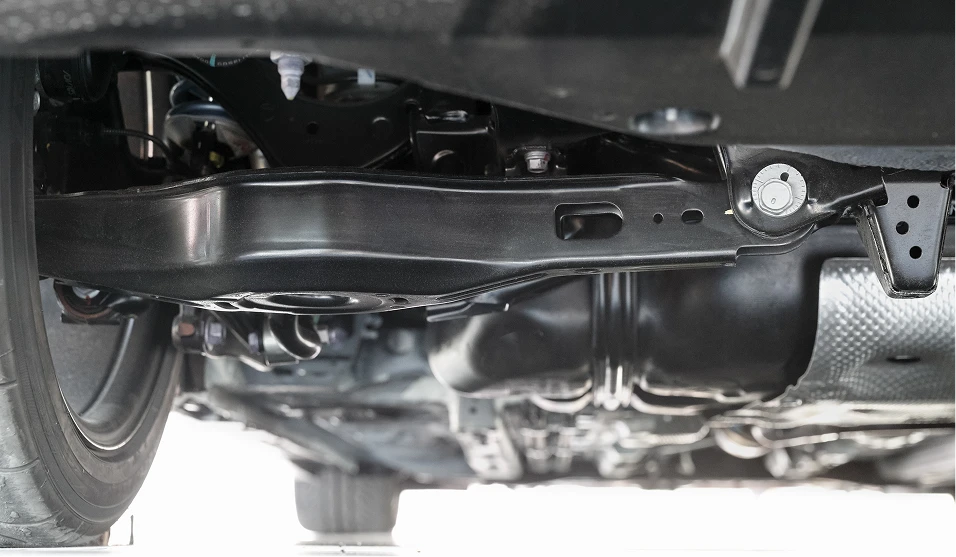
Your vehicle’s suspension system does far more than make your commute comfortable. It keeps your tires in proper contact with the road, maintains steering control, and helps your brakes perform the way they were designed to. When something starts to wear out, the signs are usually noticeable long before a component fails. A rough or bouncy ride, a vehicle that pulls to one side, knocking or clunking noises over bumps, uneven tire wear, nose diving during braking, or excessive body roll when turning are all signals worth taking seriously. At Bradham Automotive, we’ve been helping Alexandria-area drivers interpret those signals since 1948. Our approach hasn’t changed: understand what the vehicle actually needs, explain it clearly, and let you decide what to do next. If your car rides rough or feels unstable in corners, those aren’t just comfort issues; they’re safety concerns that deserve a thorough inspection from technicians who know what to look for. Contact us at (703) 549-6418 or drop in at 220 N Henry St, Alexandria, VA 22314.
FAQs About Suspension Repair
your questions answered
The time required depends on which components need attention and the complexity of your vehicle’s suspension design. A strut replacement on a common domestic or Asian vehicle may be completed the same day, while more involved repairs on European models or multi-component jobs may require additional time. Our team will give you a realistic estimate before any work begins.
It depends on the severity. Worn shocks or struts may allow limited driving, but a failed ball joint or broken coil spring can make the vehicle unsafe to operate. If you notice sudden changes in handling, severe pulling, or a clunking noise that worsens quickly, it’s best to have the vehicle inspected before driving it further.
Not automatically, but a wheel alignment is strongly recommended after most suspension repairs. Replacing components such as control arms, tie rods, or struts changes the suspension geometry, and alignment corrects the angles to manufacturer’s specifications. Skipping alignment after suspension work often leads to uneven tire wear and handling issues.
Costs vary based on your vehicle’s make and model, the specific components that need replacement, and the extent of the repair. Replacing a single sway bar link is considerably less involved than replacing both front struts and control arms. We provide a clear estimate after inspection so you can make an informed decision without surprises.
Most manufacturers recommend a suspension and steering inspection at least once a year, or whenever you notice changes in handling, unusual noises, or uneven tire wear. In Northern Virginia, where stop-and-go commuting and road conditions can accelerate wear, more frequent checks are a reasonable precaution, particularly on higher-mileage vehicles.