

Brake Repair in Alexandria, VA
Keeping Your Brakes in Top Condition
Brake Repair Is One of the Most Important Services
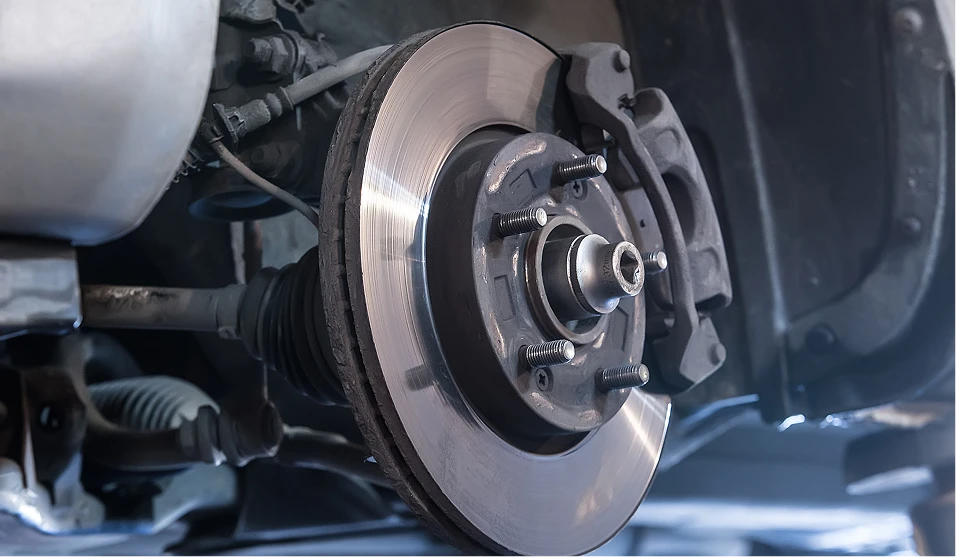
When it comes to vehicle safety, few systems matter more than your brakes. At Bradham Automotive, we take that responsibility seriously. Established in 1948 and still locally owned and operated in Alexandria, Virginia, our shop has helped generations of drivers keep their vehicles safe and reliable through honest recommendations and quality workmanship. Your brake system is a network of interconnected components, including brake pads, brake rotors, brake calipers, brake lines, and brake fluid, all working together to bring your vehicle to a controlled stop. When any one of those components begins to wear or fail, the entire system’s performance is affected. Northern Virginia’s stop-and-go commuting conditions place significant stress on brakes over time, making regular inspection and timely brake repair essential for every driver in the area.
FAQs About Brake Repair
your questions answered
The most common signs include a high-pitched squealing noise when you apply the brakes, a grinding sensation, or a brake warning light on your dashboard. Many brake pads also include a wear indicator that produces noise specifically to alert you when replacement is needed. A professional inspection will confirm the current thickness and condition of your pads.
Brake repair costs vary based on your vehicle’s make and model, which components need service, and whether you need brake pad replacement, rotor resurfacing or replacement, or a more involved repair like caliper replacement. A proper inspection is the best way to get an accurate estimate for your specific situation.
It depends on the situation, but a brake warning light should always be taken seriously. Some causes, like low brake fluid, can indicate a leak or a more significant issue that affects stopping ability. We recommend having your vehicle inspected as soon as possible rather than waiting, since brake system problems can worsen quickly under normal driving conditions.
Brake fluid absorbs moisture over time, lowering its boiling point and potentially reducing braking performance. Many manufacturers recommend a brake fluid flush every two to three years, though your vehicle’s service history, driving conditions, and fluid condition all factor into the right interval for your car. A technician can test your fluid and advise accordingly.
The anti-lock braking system, or ABS, prevents your wheels from locking up during hard braking, helping you maintain steering control in emergencies. When the ABS warning light comes on, it typically means a sensor or module needs attention. ABS diagnostics require specialized equipment to accurately identify the cause before any repair is performed.